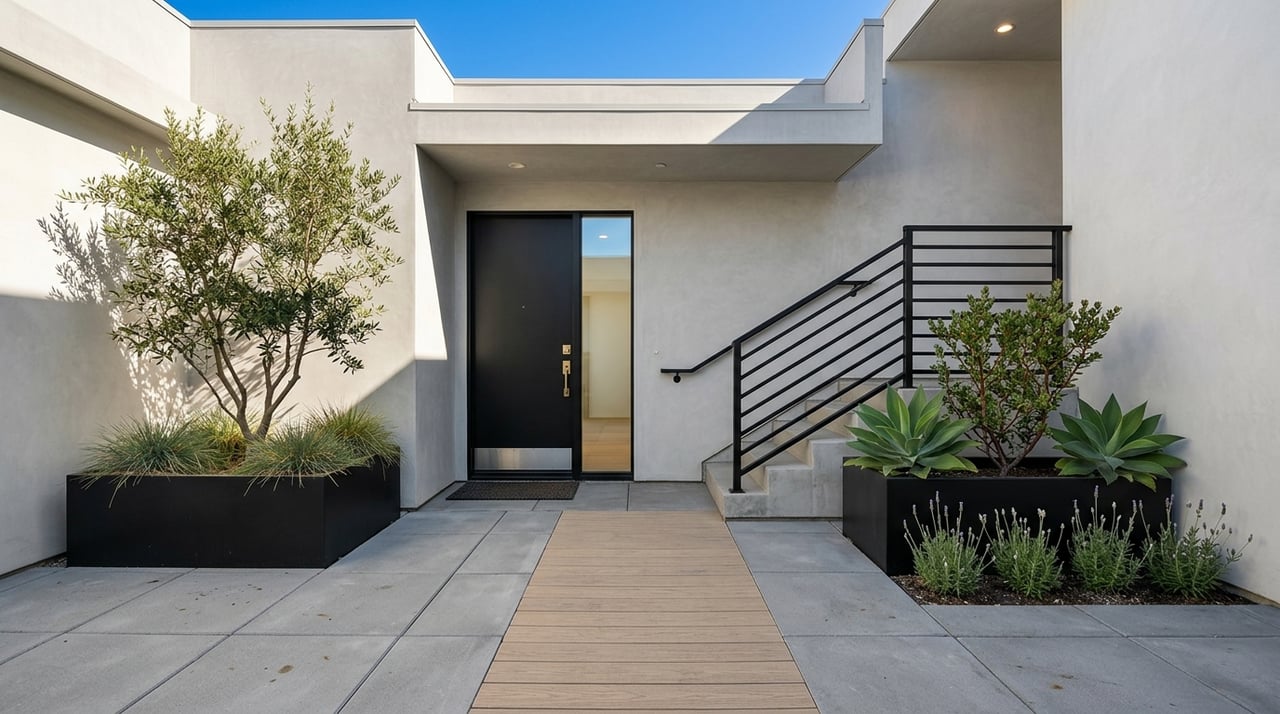
Choosing a condo in Old Pasadena can feel simple at first. A charming brick exterior, a great block, and a walkable address can make several buildings seem equally appealing. But once you look closer, the differences between buildings can be significant, especially when it comes to age, upkeep, parking, and local rules. This guide will help you compare Old Pasadena condo buildings more clearly so you can buy with confidence. Let’s dive in.
Start With The Building’s Era
Old Pasadena is Pasadena’s original commercial center and a 22-block National Register Historic District. That history is part of the neighborhood’s appeal, but it also means one attractive building may have very different bones than another nearby building.
Some properties trace back to the late 19th or early 20th century, while others came out of later revitalization in the 1970s and 1980s. Two buildings can offer a similar look from the street, yet differ in construction type, systems, and long-term maintenance needs.
Why Age Matters In Old Pasadena
A building’s age can affect more than style. It may shape how the property handles maintenance, renovations, inspections, and future costs.
If you are comparing several condos, ask when the building was originally constructed and whether it has been converted, restored, or significantly updated. That simple timeline can give you a better sense of what questions to ask next.
Check Historic Status Early
Pasadena’s historic preservation program supports rehabilitation, restoration, and adaptive use. In a historic site or district, major exterior alterations, additions, relocations, or demolitions can require a Certificate of Appropriateness.
For you as a buyer, that means exterior changes may be more limited than they would be in a non-historic setting. If you care about future window changes, balcony updates, or other visible exterior work, it is smart to verify the building’s status early.
Pasadena’s CHRID database is a useful starting point for checking whether a building is a designated historic property, part of a historic district, or a surveyed property. This is especially helpful in Old Pasadena, where visual character and preservation rules can affect ownership experience.
Review Seismic And Permit History
In Old Pasadena, retrofit history matters. Older buildings may have had major work completed, while others may still need attention.
Pasadena’s soft-story retrofit ordinance can apply to certain existing wood-frame buildings with permits dated on or before November 12, 1976, especially when the ground floor or basement includes parking or other open floor space. That makes tuck-under parking and open-front configurations worth special attention during your comparison.
What To Verify In Public Records
Pasadena’s Permit Center Online can help you verify permit history for remodels, conversions, seismic work, and other building changes. When you compare buildings side by side, permit records can reveal whether an appealing property has already addressed major issues or may still carry future project risk.
Look for details such as:
- Seismic retrofit work
- Major remodels or conversions
- Structural repairs
- Balcony or exterior work
- Recent inspection activity
If you want a deeper paper trail, Los Angeles County notes that real estate records can be searched and requested by the public, though the Recorder does not provide online access to its real estate records or indexes. In practice, that means a strong condo comparison often combines listing information, HOA documents, and city permit research.
Compare HOA Financial Health Carefully
A beautiful lobby or updated hallways do not tell you the full story. When you buy a condo, you are also buying into the building’s shared financial structure.
Under California Civil Code 4525, sellers in a common interest development must provide key HOA documents. These include governing documents, the most recent annual budget documents, current assessment and fee information, unresolved violation notices, rental prohibition statements if applicable, board minutes on request, and the most recent exterior elevated elements inspection report.
Focus On Reserves, Not Just Dues
Low HOA dues can look appealing, but they are only one part of the picture. A better question is whether the association appears prepared for future repairs.
Civil Code 5300 requires the annual budget report to include a reserve summary and a reserve funding plan summary. Members can also request the full reserve plan. Civil Code 5570 provides reserve funding status and projected reserve cash balances for the next five budget years.
When you review condo buildings, compare:
- Current monthly HOA dues
- Reserve funding summary
- Five-year projected reserve balances
- Planned capital repairs
- Any unresolved violation notices
- Recent board discussion of major projects
A well-documented HOA does not guarantee a perfect building, but it usually gives you a clearer picture of how the property is being managed.
Ask About Balcony And Walkway Inspections
Older condo buildings often require closer review of exterior elements. In California, that is now an important part of the comparison process.
Civil Code 5551 requires a visual inspection of a statistically significant sample of exterior elevated elements at least once every nine years. The first inspection was due by January 1, 2025, and reports must be kept for two inspection cycles.
What Buyers Should Look For
Ask whether the inspection has been completed and whether any repairs remain open. Balconies, walkways, waterproofing, and related structural conditions can directly affect both cost and timing after you buy.
On site, compare what you see with the documents. Pay attention to:
- Balcony condition
- Signs of recurring leaks
- Corridor wear
- Elevator performance
- Paint cracking
- Overall common-area upkeep
These visual clues become much more useful when you read them alongside reserve and inspection records. A building that looks polished at first glance may still have deferred work in the paperwork.
Think Beyond The Unit’s Parking Space
Parking in Old Pasadena deserves its own category. A condo may check every box inside the unit, yet still feel less convenient day to day depending on garage access, guest parking, and the block outside.
Old Pasadena offers more than 7,500 parking spaces across public and private garages, surface lots, on-street parking, and valet. The district also lists monthly parking at the Schoolhouse, De Lacey, and Marriott Park and Walk facilities.
Compare Parking The Way You Will Actually Use It
If a building offers secure resident parking, that can be a major advantage. But you should also think about how guests, second cars, service providers, or future tenants might use the area.
Pasadena reports that more than 1,200 meters operate in Old Pasadena and other meter districts. In Old Pasadena, meters are enforced seven days a week, there is no overnight parking from 2:00 a.m. to 6:00 a.m., and heart-of-district meter rates are $1.25 per hour.
As you compare buildings, consider:
- Number of deeded or assigned spaces
- Ease of garage entry and exit
- Guest parking options nearby
- Distance to public garages or monthly parking
- Street meter activity on the block
- Overnight parking limitations in the area
For many buyers, parking convenience has a direct effect on resale appeal and daily comfort.
Measure The Street Environment
In Old Pasadena, the street outside the front door is part of the ownership experience. The district is known for eateries, boutiques, galleries, and theaters, and the BID supports security, marketing, and maintenance.
That energy can be a major plus, but not every buyer wants the same level of activity. A building near the core may feel busier and more urban than one closer to the district edge.
Visit At More Than One Time
A smart comparison includes more than a daytime tour. If possible, visit during the day, in the evening, and on a weekend.
Notice how the block feels in each window. Pay attention to traffic flow, pedestrian activity, noise, lighting, and how the building transitions from public street life to private residential space.
Consider Future Rental Plans Carefully
If you may hold the condo as a future rental, local rules matter. This is another area where buildings that seem similar can differ in practical value.
Pasadena’s Measure H rent stabilization does not apply to separately sold condominiums. However, rented condos must be registered with the city. Short-term rentals are regulated separately and require a permit plus remittance of TOT and TBID.
Questions To Ask Before You Buy
If flexibility matters to you, confirm both city rules and HOA rules. Some restrictions come from the association, while others come from local regulation.
Ask about:
- HOA rental restrictions or prohibition statements
- Registration requirements for rented condos
- Whether short-term rentals are permitted under current rules
- Any building-specific policies that could affect future use
This step is especially important if you are relocating, buying a second home, or considering long-term investment value.
Build A Side-By-Side Comparison
The easiest way to compare Old Pasadena condo buildings is to put the facts in one place. Once you do that, patterns usually become much clearer.
Here is a practical framework you can use as you narrow your options:
| Category | What to Compare |
|---|---|
| Building era | Original construction date, conversion history, major updates |
| Historic status | District designation, surveyed status, exterior change constraints |
| Seismic risk | Soft-story exposure, retrofit completion, structural permits |
| HOA health | Dues, reserve summary, five-year reserve outlook, open issues |
| Safety records | Exterior elevated element inspection status, open repairs |
| Parking | Resident spaces, guest access, nearby monthly parking, meter conditions |
| Streetscape | Noise, activity level, lighting, pedestrian traffic |
| Future flexibility | HOA rental rules, condo registration requirements, short-term rental limits |
A method like this helps you compare substance, not just staging or finishes.
Why A Newer Boutique Condo Can Feel Different
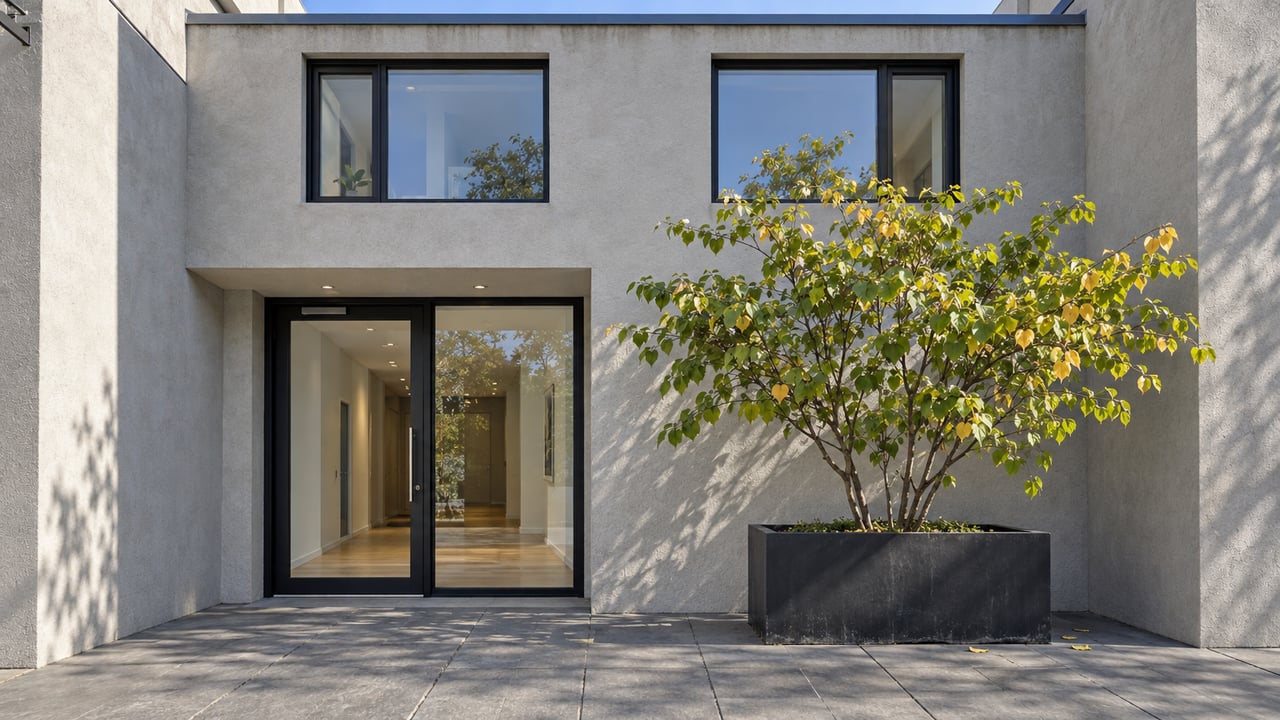
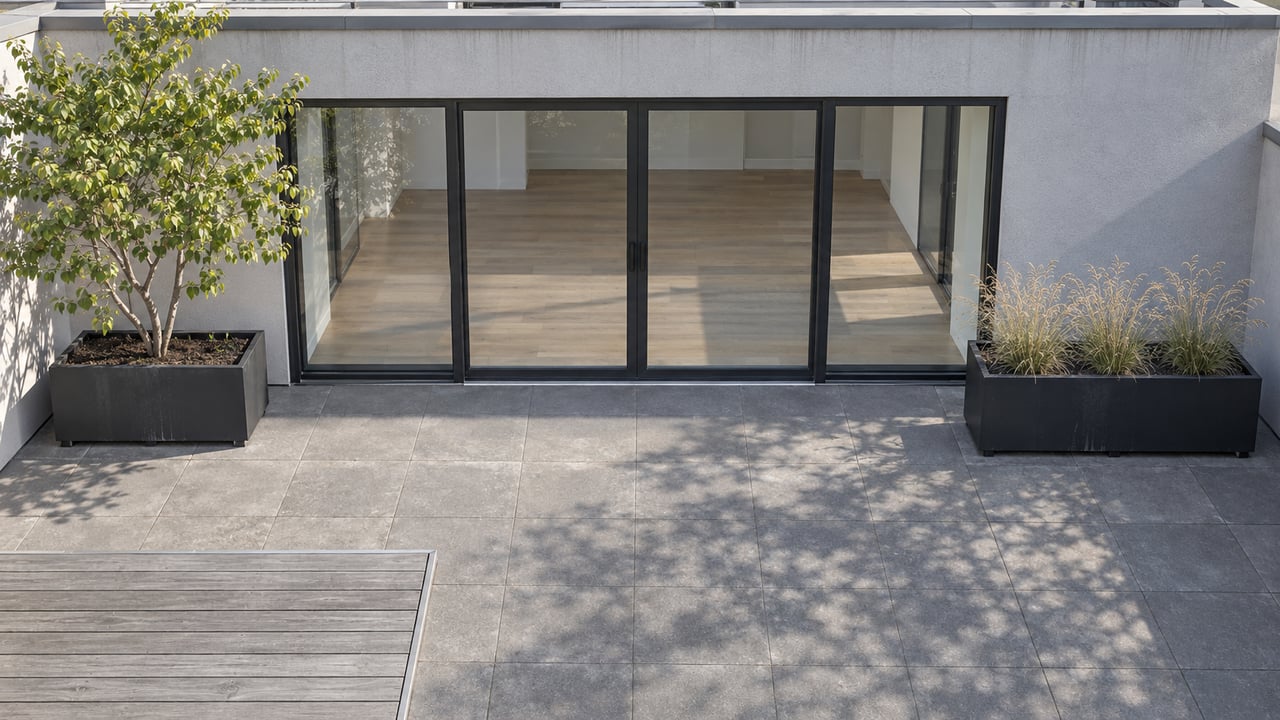
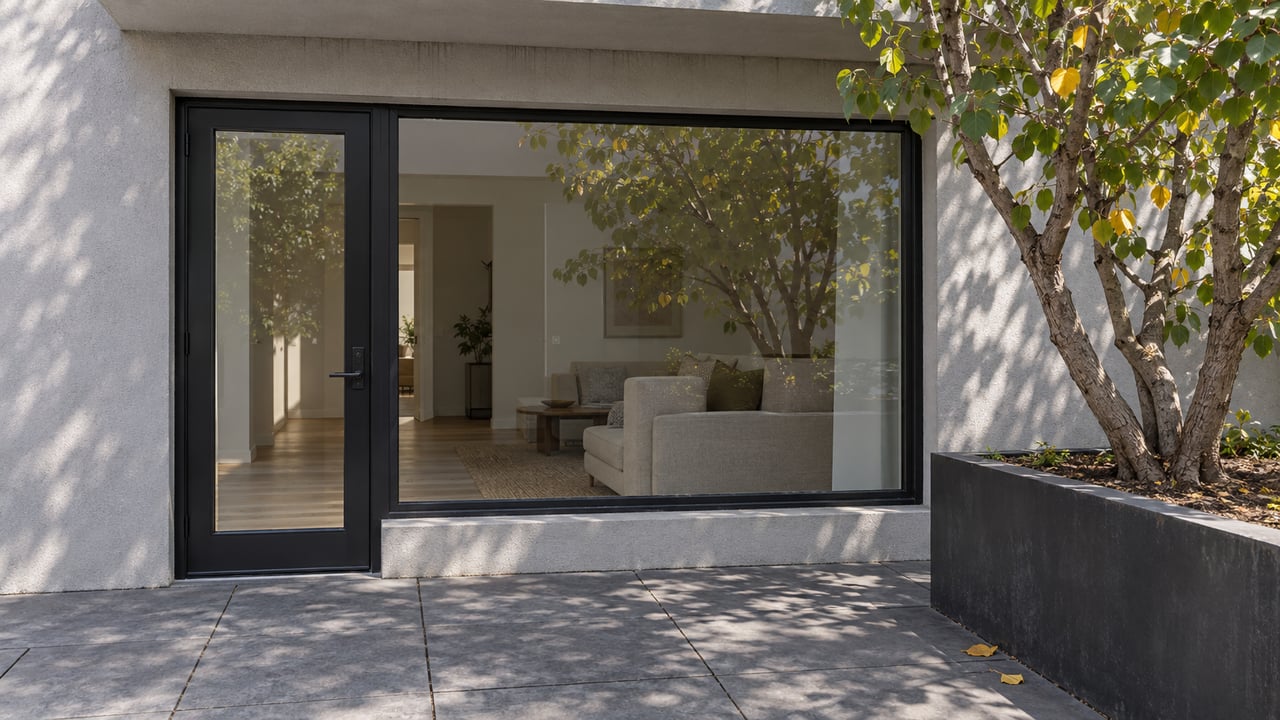
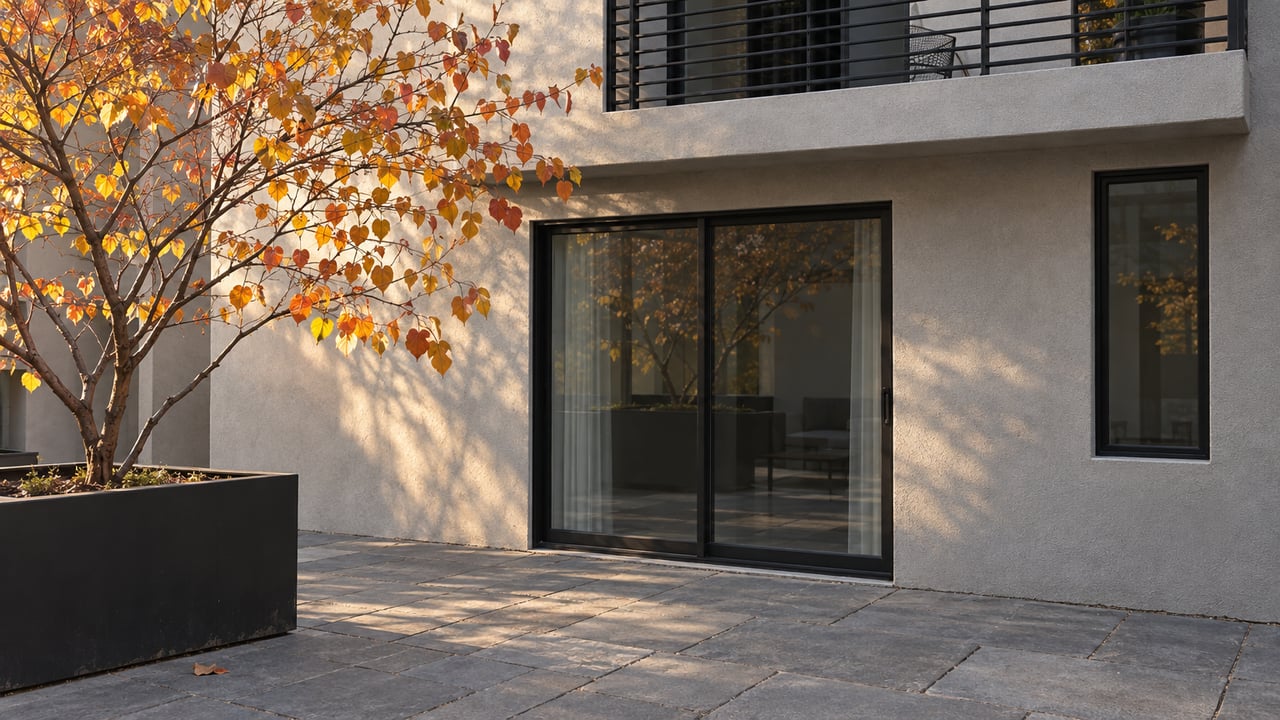
When you compare Old Pasadena buildings, you may notice that newer boutique condos solve for many of the questions older properties raise. That can include more predictable construction standards, contemporary layouts, secure parking, and fewer unknowns around major deferred work.
For buyers who value turnkey living, refined design, and a more intimate building scale, that contrast can be meaningful. It is not about one era being automatically better. It is about matching the building’s realities to your priorities, timeline, and comfort level.
If you want help weighing older character buildings against newer move-in ready options near Old Pasadena, local guidance can make the process much more efficient. To explore Pasadena condo opportunities with a thoughtful, high-touch approach, connect with Shahe Seuylemezian.
FAQs
What should you compare first when buying an Old Pasadena condo?
- Start with the building’s era, historic status, HOA financials, inspection records, parking setup, and the street environment around the property.
How do historic district rules affect an Old Pasadena condo building?
- In Pasadena, major exterior alterations on historic sites or within historic districts can require additional review, so future exterior changes may be more limited.
What HOA documents should you request for a Pasadena condo purchase?
- Ask for governing documents, annual budget documents, assessment information, unresolved violation notices, board minutes if needed, rental restriction statements if applicable, and the most recent exterior elevated elements inspection report.
Why do reserve funds matter when comparing condo buildings in Old Pasadena?
- Reserve funds help show whether the HOA appears prepared for future repairs, which can affect special assessment risk and overall building stability.
How important is parking when choosing an Old Pasadena condo?
- Parking is very important because daily convenience can depend on resident spaces, guest access, nearby public garages, meter enforcement, and overnight parking rules.
Can you rent out a condo in Pasadena in the future?
- Separately sold condominiums are not subject to Pasadena’s Measure H rent stabilization, but rented condos must be registered with the city, and short-term rentals require separate permitting and related remittance obligations.